New Copper For Pearl City Homes
Rewiring cloth-jacketed plantation circuits, wiring additions and ohana units, and pulling the dedicated kitchen and laundry runs your house was never built to carry.
Old cloth. New copper.
Pull the cover off a receptacle in an older Pearl City house and you often find wire that predates the neighborhood around it. The plantation-era homes below Kamehameha Highway and the first tracts in Waiau and Manana were wired with cloth-jacketed conductors, two wires and no ground, run to whatever handful of outlets a family needed in that era. That jacket does not age well in leeward humidity. It goes stiff, then chalky, and eventually it flakes off in the box when somebody bumps it changing a switch.
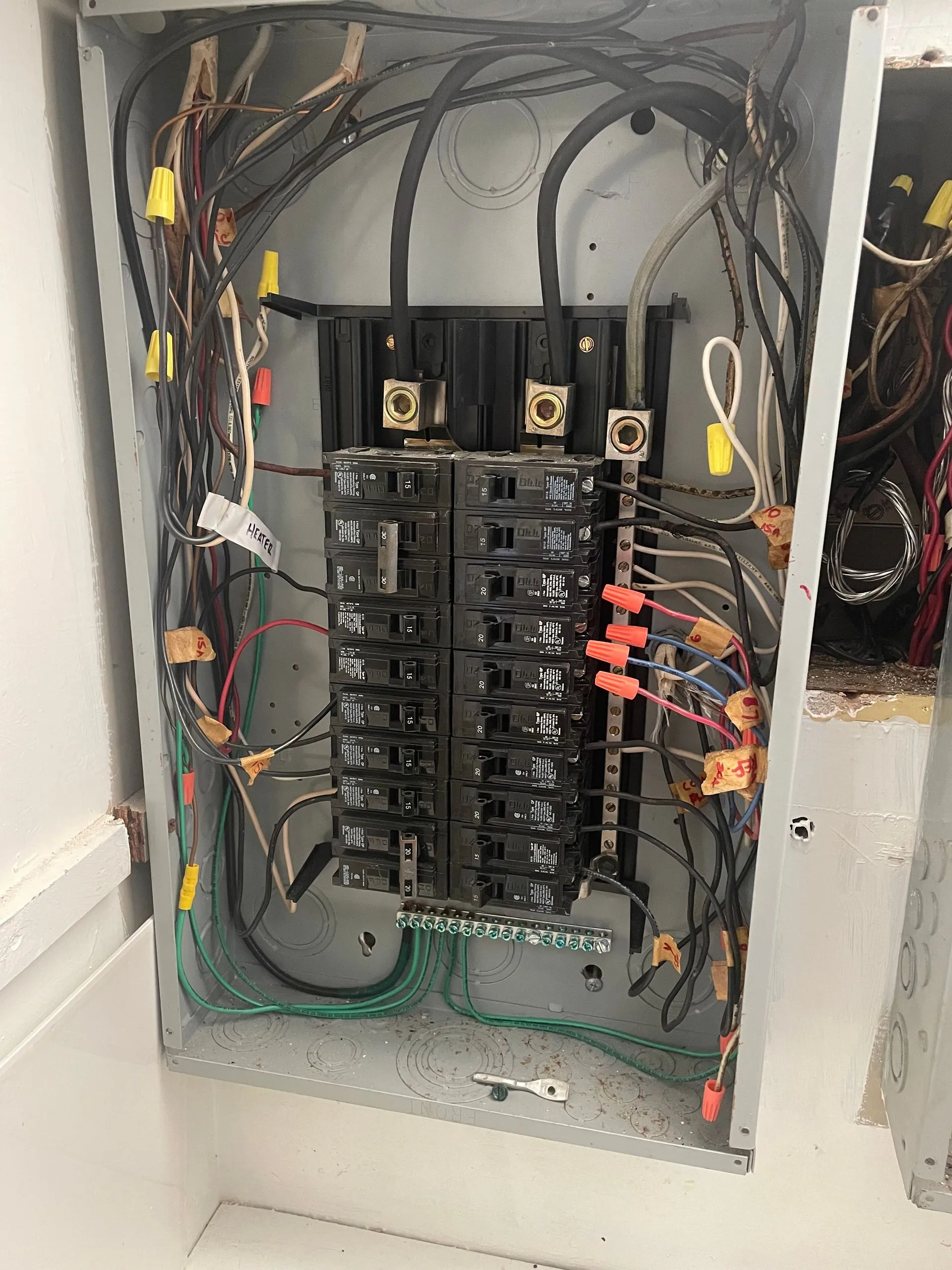
The second half of the problem is what got plugged in since. A house wired for a refrigerator, a range, and a couple of lamps is now running a microwave, a rice cooker, a chest freezer in the carport, split AC heads in the bedrooms, and a laundry pair. Those loads land on a handful of original branch circuits that were never sized for any of it. That is why the kitchen breaker drops when the microwave and the toaster oven run together, and why the receptacle behind the coffee maker feels warm.
Additions and ohana units are the other half of our Pearl City wiring work. A downstairs conversion, an enclosed carport, a studio out back for a family member: all of it needs its own feeder, its own sub-panel, and circuits that will pass inspection as a separate living space, not a garden hose of extension cords run off the main house. We size the feeder against the existing service first, because there is no point wiring a beautiful ohana unit that the main panel cannot actually carry.
Salt air matters here more than people expect this far inland. Pearl Harbor is right there, and the moist air that comes off it works on terminations quietly for years. We see green crust on screw terminals, corroded device yokes in exterior boxes, and split-bolt connections in weatherproof enclosures that stopped being weatherproof three gaskets ago. Corroded terminations run hot before they run open, so when we rewire a Pearl City home we replace terminations wholesale rather than reusing anything that shows chalk or discoloration.
If your home dates to the late 1960s or the 1970s, there is a real chance some of the branch wiring is aluminum. We will tell you straight: aluminum branch wiring is not an automatic emergency, and anybody who tells you the whole house has to come out today is selling something. The fix depends on what we find. Sometimes it is COPALUM crimps or AlumiConn connectors at the device boxes, which is a proven repair that keeps the existing wire in the walls. Sometimes the smarter money is replacing the highest-risk circuits in copper while the walls are already open for a remodel. We show you what is in your boxes and give you a straight answer about which path fits your house and your budget.
Every job goes through the City and County of Honolulu on a permit pulled under our license, with the rough and final inspections scheduled by us. You can see recent wiring work in our project gallery, and when you want somebody to actually look at your boxes, tell us what your house is doing and we will set a visit.
What’s Included
Every Pearl City wiring job carries the same scope. Here is exactly what you are getting when you book us.
How It Works
Four steps from the first walkthrough to a signed-off final. No surprises in the middle.
Open Boxes
We open the panel and a few representative boxes to see what is really in your walls before anybody quotes a number.
Written Quote
Scope, timeline, and permit costs in writing, including what we recommend leaving alone and why.
Rough-In
Pull cable, set boxes, land everything at the panel, then the rough inspection with the City and County.
Trim & Final
Devices, plates, labeled panel directory, final inspection, and your close-out paperwork.
Why Sparky
We Look First
Boxes open before the number goes on paper. What you get quoted reflects your actual house.
Live-In Friendly
We work in zones and keep the rooms you are using powered. Scraps and dust swept up daily.
Honest On Aluminum
Proven repairs where they fit, copper replacement where it is warranted, no scare-tactic rewires.
Frequently Asked Questions
How do I know if my Pearl City house still has cloth wiring?
My kitchen breaker trips constantly. Is that a wiring problem?
Can you wire an addition or an ohana unit?
What do you do about aluminum branch wiring?
Why do my outdoor outlets keep corroding?
Can you rewire without tearing up my walls?
Will my insurer or a buyer want documentation?
Get a Free Pearl City Wiring Quote
A licensed electrician opens your boxes, tells you what is actually in the walls, and puts the scope in writing before any work starts.