A whole-home standby generator watches the grid and, when a storm knocks out power, starts on its own and carries your house through an automatic transfer switch, usually within seconds. The three things that make or break an Aiea install are correct sizing so it runs what you need, a properly wired transfer switch so it can never backfeed the line, and salt-air siting so the unit survives our coastal air. Done right, it is the difference between riding out an outage and scrambling in the dark.
Hawaii is not immune to big weather. Hurricane season runs through the summer and fall, and even when a storm stays offshore, the outer bands bring the wind and rain that drop trees on lines and knock the grid out. Add the everyday trade-wind squalls and the occasional Kona storm, and Aiea homes lose power more often than people expect. When they do, a house with a standby generator barely notices. A house without one is suddenly living out of coolers and flashlights.
I am Jerry, and my sons and I have wired standby generators into homes from Halawa and Pearlridge up into Aiea Heights. Here is how a whole-home generator installation actually works and what it takes to do one right in our climate.
What a whole-home standby generator does
A standby generator is a permanently installed unit that sits outside the house, much like an AC condenser, and runs on propane or, where available, natural gas. It is not the portable kind you drag out and refuel by hand. It monitors your power around the clock. The moment the grid drops, it starts automatically, and an automatic transfer switch shifts your house from utility power over to the generator, typically in a matter of seconds. When the grid comes back, it switches you back and shuts the generator down. You do not have to be home, awake, or even aware that it happened.
The transfer switch is the heart of it
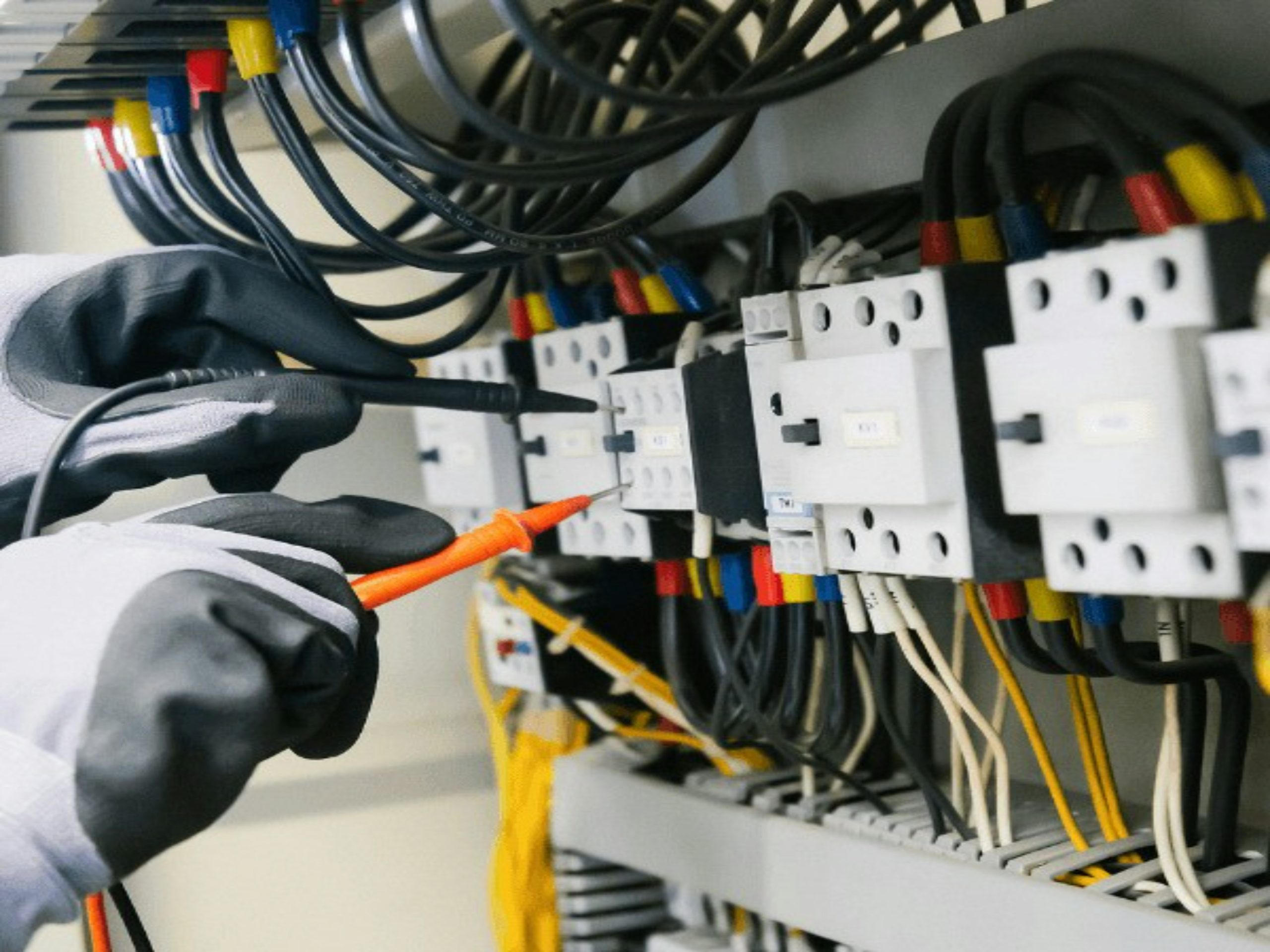
The transfer switch is the single most important piece, and it is the part you never want done by anyone but a licensed electrician. Its job is to make sure the generator and the utility can never be connected to your home at the same time. That matters for two reasons. First, it protects your equipment. Second, and more seriously, it protects the line workers repairing the grid. A generator wired without a proper transfer switch can backfeed power onto the utility lines and injure or kill someone working to restore your neighborhood. A correctly installed automatic transfer switch makes that physically impossible, which is exactly why this is not a DIY job.
You can size a transfer switch to carry your whole house or just the critical circuits you care most about, like the refrigerator, some lights, fans, medical equipment, and the internet. We walk you through which circuits matter most so the generator you buy matches the life you actually want to keep running during an outage.
Sizing it right for your home
Sizing is where good and bad installs part ways. Too small, and the generator overloads and trips the moment your AC kicks on. Too large, and you have paid for capacity you will never use. Getting it right starts with a load calculation, the same kind of math we do for a panel or an EV circuit. We add up what you want to run, account for the heavy startup surge that motors like your AC compressor and refrigerator pull, and pick a unit that carries all of it comfortably.
For a lot of Aiea homes, a mid-range standby unit covers the essentials plus air conditioning, which is a big deal when an outage lands in the muggy summer. If you want the entire house, panels and all, we size up accordingly. The point is that the number comes from your actual loads, not a guess off a brochure.
Salt air and where the unit sits
This is the Aiea-specific detail that catches people. Our air carries salt and humidity off the harbor and the coast, and that air is hard on outdoor equipment. A standby generator lives outside for years, so where and how it sits decides how long it lasts. We site the unit to code, keeping the required clearances from windows, doors, and vents so exhaust stays clear of the house, and we favor a spot with airflow that is a little sheltered from the worst of the salt spray without choking the ventilation the engine needs.
We also specify equipment and enclosures built to hold up in a coastal marine environment, and we protect the wiring terminations and the transfer switch against corrosion the same way we do for coastal panels. A generator that is sited and finished for salt air keeps starting reliably years down the road. One that ignored the coastal reality shows corrosion and hard starts far sooner.
Fuel, permits, and maintenance
- Fuel: most Aiea standby units run on propane from an on-site tank; natural gas where a line is available.
- Permit: a standby generator and its transfer switch are permitted and inspected, which protects your home and your warranty.
- Exercise cycle: the unit runs itself briefly on a schedule to stay ready, so it is not sitting cold when you finally need it.
- Maintenance: periodic checks of oil, battery, and connections keep it dependable, and we can handle that upkeep.
- Batteries: the starting battery is a common failure point, so it gets checked as part of routine service.
Peace of mind before the next storm
The best time to put in a standby generator is before hurricane season, not during a warning when everyone else is calling. We install and wire whole-home generators across Aiea, Halawa, Pearlridge, Newtown, and Aiea Heights, and we handle the sizing, the transfer switch, the siting, and the permit so your home rides out the next outage. See our gallery, get in touch, or call (808) 342-8195 for a free quote.
Frequently Asked Questions
How is a standby generator different from a portable one?
A standby generator is permanently installed outside, runs on propane or natural gas, and starts automatically through a transfer switch the instant the grid drops, even when you are away. A portable generator has to be rolled out, refueled by hand, and connected manually, and if it is hooked up wrong it can backfeed the line dangerously. Standby power is hands-off and far safer for whole-home use.
Why does the transfer switch matter so much?
The transfer switch makes sure your home is never connected to both the generator and the utility at once. That protects your equipment and, more importantly, keeps you from backfeeding power onto the lines and injuring the crews restoring your neighborhood. An automatic transfer switch handles the changeover in seconds and makes that dangerous overlap physically impossible, which is why a licensed electrician has to install it.
What size generator do I need?
It depends on what you want to run. We do a load calculation, add up your essential circuits, account for the surge that motors like your AC and refrigerator pull at startup, and size a unit that carries it all comfortably. Many Aiea homes want the essentials plus air conditioning, while others want the whole house. The size comes from your actual loads, not a guess.
Will salt air damage an outdoor generator?
It can if the unit is not sited and specified for it. Aiea air carries salt and humidity that are hard on outdoor equipment. We place the generator to code with the right clearances, favor a spot sheltered from the worst spray while keeping the ventilation the engine needs, and use enclosures and corrosion protection built for a coastal environment so it keeps starting reliably for years.
Do I need a permit for a whole-home generator?
Yes. A standby generator and its transfer switch are permitted and inspected through the City and County. That inspection confirms the sizing, the transfer switch, the fuel setup, and the clearances are all correct, and it protects your home, your warranty, and your insurance standing. We pull the permit and handle the inspection as part of the job.
Does the generator need maintenance?
Yes, but not much. A standby unit runs a short exercise cycle on its own to stay ready, and it needs periodic checks of the oil, battery, and connections. The starting battery is the most common failure point, so it gets attention during routine service. We can handle that upkeep so it is dependable when the next storm hits.
Need a licensed Aiea electrician?
Jerry and the team at Sparky & Sons LLC handle it all, from a single outlet to a whole-home generator. No job is too small. Honest pricing, clean work, island-wide.
Call (808) 342-8195Request Service