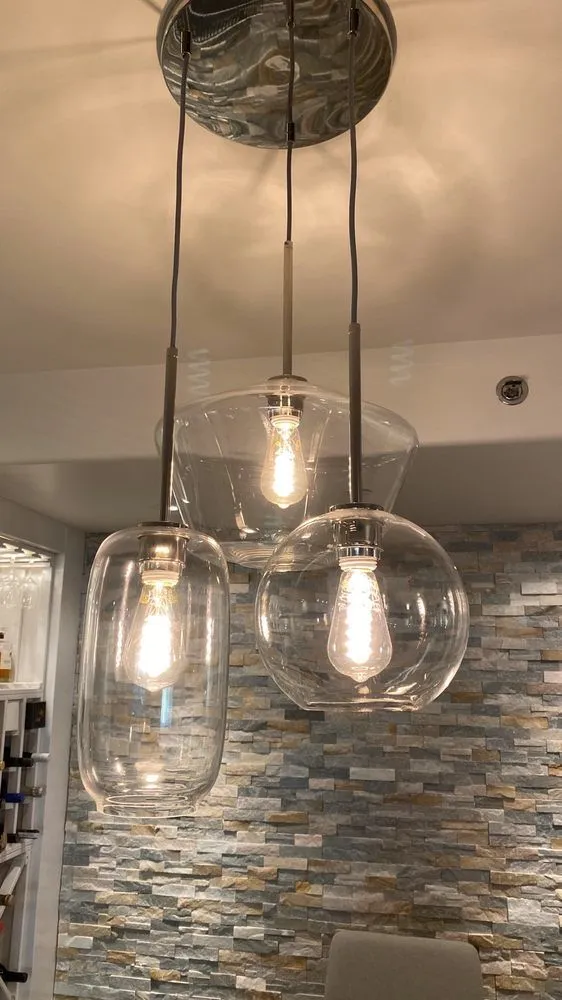
LED and recessed lighting is one of the best-value upgrades an Oahu homeowner can make: lower energy use on a high-cost grid, far longer life, less heat, and a fresher-looking home. The details that make or break it are color temperature, dimmer compatibility, and whether the fixtures are rated for your hot island attic. That is where a licensed electrician earns the call.
Lighting shapes how a home feels, and on Oahu it also shapes your electric bill. Older island homes are full of inefficient fixtures, dated cans, and harsh single overhead lights that flatten a room. Swapping to modern LED and recessed lighting is a quick upgrade by remodel standards, and it pays you back every month while making the place look like it just got a refresh. I have wired a lot of lighting on this island, and the difference between a job that looks great and one that flickers and annoys you comes down to a handful of choices most homeowners never hear about. Let me lay them out.
Color temperature: the number that changes everything
This is the single most important choice and the one people get wrong most. Color temperature is measured in Kelvin, and it controls whether your light feels warm and cozy or bright and clinical. 2700K is a soft, warm, slightly golden light, the closest to the old incandescent glow, and it is what you want in bedrooms, living rooms, and anywhere you relax. 3000K is a touch brighter and cleaner while still warm, which makes it a great all-purpose choice and my usual recommendation for open-plan living and kitchens that flow into living space. 4000K is a crisp, neutral, almost daylight white that is excellent for task areas, a garage, a laundry, or a work-heavy kitchen, but it can feel cold and office-like in a living room. The mistake I see constantly is a whole house done in 4000K because it was on sale, and it makes a warm island home feel like a dentist’s office. Match the Kelvin to the room and the whole place feels right.
Can lights, integrated LED, or retrofit trims
There are three ways to do recessed lighting and they are not interchangeable. A traditional can light is the metal housing in the ceiling that takes a separate bulb, the old standard. An integrated LED fixture has the LED built right into the unit, so there is no bulb to change and it is slim, efficient, and clean, which is what we install most often in new work. A retrofit trim is a slim LED disc that screws into an existing can light’s socket, which is the fast, low-disruption way to modernize a home that already has old cans without tearing the ceiling apart. For most existing Oahu homes, retrofit trims or new integrated LEDs are the sweet spot, and we will tell you which makes sense for what you already have up there.
Plan for the fan you do not have yet
Here is something specific to how people live in Hawaii: rooms get converted. A bedroom becomes an office, a den becomes a nursery, and somewhere along the line someone wants a ceiling fan where there was none. Because of that, when we put recessed lighting in a room that might ever get a fan, we make sure there is a fan-rated box in the right spot. It costs almost nothing to do it during the lighting job and saves a whole return trip and ceiling repair later. It is the kind of forward-thinking detail a homeowner would not know to ask for, and it is exactly why having an electrician who knows island homes plan the layout matters.
Your hot attic and IC-rated fixtures
Oahu attics get brutally hot, and that changes the job. Where a recessed fixture sits in contact with insulation, it has to be IC-rated, meaning insulation-contact rated, so it can be buried in insulation without overheating and becoming a fire risk. A non-IC fixture has to be kept clear of insulation by a few inches, which is not always practical in a packed attic. In our heat, using the wrong rating is not a small thing, because a non-IC fixture smothered in insulation in a 130-degree attic is a genuine hazard. This is one of those code details that exists for a real reason, and it is part of why recessed lighting is not a great DIY project here.
The dimmer problem, explained
The most common complaint I hear about new LEDs is that they flicker, buzz, or refuse to dim all the way. The culprit is almost always the dimmer. Old dimmers were built for the heavy electrical draw of incandescent bulbs, and an LED draws so little that the old dimmer cannot regulate it smoothly, so you get flicker at the low end and a buzz you can hear across the room. The fix is straightforward: replace the old dimmer with a modern LED-compatible dimmer matched to your fixtures. When the dimmer and the LEDs are designed to work together, they dim smooth and silent all the way down. We pair them as part of the job so you never deal with the flicker in the first place.
Vaulted wood versus flat drywall ceilings
The ceiling you have changes the time and approach. A flat drywall ceiling is the easy case: we cut clean holes, run the wiring through the cavity, and drop the housings in. A vaulted or open-beam wood ceiling, which so many beautiful Oahu homes have, is a different job, because there is no hidden cavity to route wiring through, so we have to plan the runs carefully and sometimes use surface-appropriate fixtures. It takes longer and it takes experience, and it is exactly the kind of work where hiring a pro pays off rather than ending up with exposed wiring on a gorgeous wood ceiling.
What a kitchen retrofit actually looks like
People want to know what they are signing up for, so here is a typical full-kitchen LED retrofit start to finish. We pull the old cans or fixtures, patch and prep where needed, set the new IC-rated housings in a planned, even layout, install the trims, wire in the LED-compatible dimmer, and clean up. For a standard kitchen, that is a one-day job, and you go from a dim, dated room with one harsh overhead light to bright, even, glare-free light you can dim for dinner. It is one of the most satisfying upgrades we do because the change is so immediate.
The maintenance-free angle
One more reason this pays off: you stop changing bulbs. Quality LED fixtures are rated to last 20 years or more of normal use, so the days of dragging out a ladder to swap a burned-out can light on a high ceiling are over. Between the energy savings on Oahu’s rates and never buying or changing a bulb for two decades, the math keeps working in your favor long after the install. It is also worth asking your provider about any current HECO or utility efficiency programs, since rebates for LED upgrades come and go and can sweeten the deal.
Brighten up the right way
Whether you want to cut your bill, modernize a tired room, or add recessed lighting to a remodel, we install it cleanly, safely, and rated for our climate for homeowners across Honolulu, Aiea, Kailua, and Kaneohe. We handle the full range of residential lighting installation, from a single fixture swap to a whole-home plan, and no job is too small. See our work in the project gallery, then contact us or call (808) 342-8195 to plan your lighting upgrade.
Frequently Asked Questions
What color temperature should I use in my home?
For most rooms in a home, 2700K gives a soft warm glow good for bedrooms and living rooms, while 3000K is a clean, all-purpose warm white that works beautifully in kitchens and open living areas. Save 4000K, a crisp neutral-white, for task spaces like a garage, laundry, or work-heavy kitchen, because it can feel cold and office-like in a relaxing room. The most common mistake is doing a whole house in 4000K, which makes a warm island home feel clinical. We help you match the right temperature to each room.
Can recessed lighting be added to an existing ceiling?
Usually yes. Slim integrated LED fixtures and retrofit trims install in many existing ceilings with minimal disruption, and retrofit discs that screw into your old can lights are an especially fast way to modernize without tearing into the ceiling. We assess your ceiling cavity, your existing wiring, and how hot your attic runs, then plan a clean, even layout. A flat drywall ceiling is straightforward; a vaulted wood ceiling takes more planning but is very doable.
Why do my new LED lights flicker on the dimmer?
That is almost always a compatibility problem between the LED fixtures and an old dimmer. Older dimmers were built for the heavy draw of incandescent bulbs and cannot regulate the tiny draw of an LED smoothly, so you get flicker at the low end and an audible buzz. The fix is replacing the old dimmer with a modern LED-compatible one matched to your fixtures. We pair them during the install so they dim smooth and silent all the way down.
What is an IC-rated fixture and why does it matter in Hawaii?
IC stands for insulation-contact, meaning the fixture is rated to sit buried in attic insulation without overheating. This matters enormously on Oahu because our attics get brutally hot, and a non-IC fixture smothered in insulation in that heat is a real fire hazard. Where recessed fixtures will touch insulation, we use IC-rated housings as a matter of safety and code. It is one of the main reasons recessed lighting is not a good do-it-yourself project here.
How long does a kitchen LED retrofit take?
A typical full-kitchen recessed LED retrofit is a one-day job for us. We pull the old cans or fixtures, patch and prep, set the new IC-rated housings in a planned even layout, install the trims, wire in an LED-compatible dimmer, and clean up. You go from a dim, dated room to bright, even, dimmable light in a single visit. Larger or vaulted-ceiling jobs can take longer, and we will give you a clear timeline before we start.
Are there rebates for LED upgrades on Oahu?
There can be, since HECO and utility-linked efficiency programs for LED upgrades come and go over time. It is always worth asking about current rebates or incentives when you plan a project, because they can make an already worthwhile upgrade even cheaper. Beyond any rebate, the long-term win is the energy savings on our high rates plus never buying or changing a bulb for 20 years. We are happy to point you toward what is available when you call.
Do you do outdoor and security lighting too?
Yes. We install outdoor, landscape, and security lighting using weather-rated and corrosion-resistant equipment suited to Oahu’s salt air and sun. Exterior lighting takes a beating here, so using the right rated fixtures is the difference between lighting that lasts and lighting that rusts out in a couple of years. From a single motion light to a full landscape and security plan, it is all part of what we do. Outdoor lighting also adds real safety and curb appeal to an island home.
Need a licensed Oahu electrician?
Jerry and the team at Sparky & Sons LLC handle it all, from a single outlet to a full panel. No job is too small. Honest pricing, clean work, island-wide.
Call (808) 342-8195Request Service