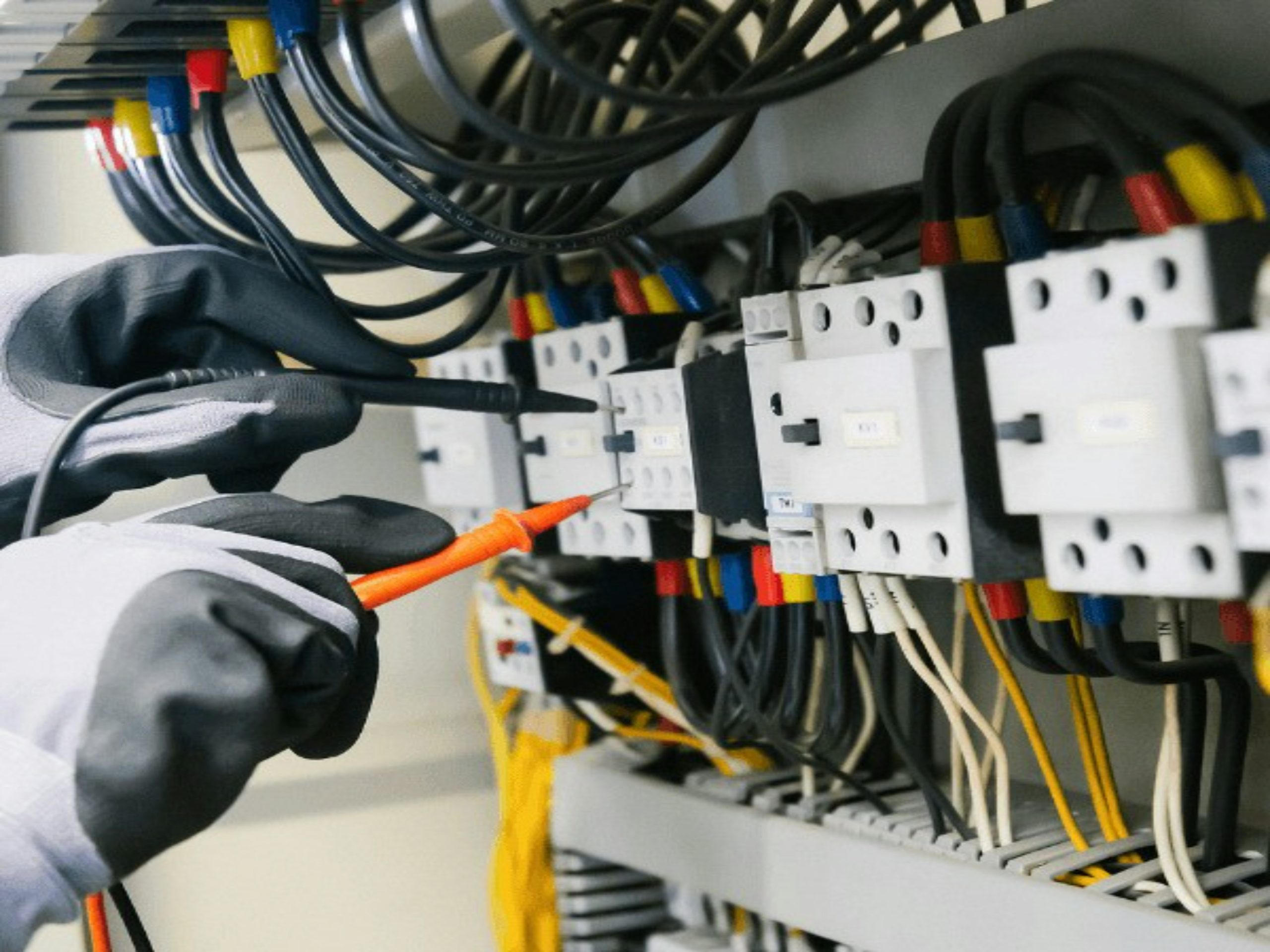
Hurricane season runs June through November, and Oahu is a single island grid with no neighbor to borrow power from. Pearl City homeowners who want backup power should plan in late spring: decide what must stay on, size a portable-plus-inlet setup or a standby generator to that list, and connect it through a proper transfer switch. Never back-feed through an outlet. Install slots vanish once the first storm advisory hits.
I am Jerry. Every year it is the same rhythm: quiet generator calls in April and May, then the first tropical system gets a name somewhere southeast of the islands and the phone does not stop. By that point the honest answer to “how soon can you install?” is longer than anyone wants to hear, because everybody on the Leeward side had the same thought in the same week.
So this one is for Pearl City specifically, written in June on purpose. Here is how to think about backup power before the season gets serious.
Living next to the Waiau plant will not save you
Pearl City has a running joke about this. The HECO Waiau generating station sits right on our waterfront, and people assume the neighborhood closest to the power plant is the last to go dark. It does not work that way. Outages are almost never about generation; they are about distribution. A car takes out a pole on Kamehameha Highway, wind drops a branch across a feeder above Waimano Home Road, a substation component fails, and your block goes dark regardless of the plant humming down the hill. When a real storm works over the island, restoration is prioritized and sequenced, and your street is one line item on a very long list.
The island grid problem
On the mainland, a utility can pull power from a neighboring grid while it repairs its own. Oahu has no neighbor. Every kilowatt made and used on this island happens inside one isolated system, so a serious weather event does not just cause outages, it causes outages with nowhere to route around. After a major storm the realistic planning number is days without power, not hours. That is the number your backup plan should be built against.
Start with the list, not the generator
The most useful thirty minutes of generator planning happens at the kitchen table. Write down what actually has to stay on:
- Refrigeration. The fridge, and the freezer full of food that will not survive three days off.
- Medical equipment. CPAP machines, oxygen concentrators, refrigerated medications. If this applies to your household, it moves to the top and changes the whole design.
- Communication and work. Internet gear, phone charging, a laptop if remote work pays your bills.
- Light and air. A few lighting circuits and a fan or a window AC, because a Leeward house sealed up in September gets miserable fast.
Everything else is negotiable. A generator sized to this list is affordable and dependable. A generator sized to vague whole-house ambition is expensive and often unnecessary.
Portable plus inlet: the budget-smart setup
For most Pearl City households, the right first system is a quality portable generator paired with a generator inlet and manual transfer switch installed at the panel. When the power drops, you roll the generator out, plug one cord into the inlet, flip the switch, and your chosen circuits come alive. It costs a fraction of a standby system, and the safety architecture is identical: your home is isolated from the grid while the generator runs. The tradeoffs are honest ones: you start it, you fuel it, and it lives outdoors while running, well away from windows and doors, because generator exhaust is a carbon monoxide hazard.
Standby generators: hands-off and whole-home
A permanently installed standby unit starts itself seconds after an outage, carries the whole house including AC, and shuts down when HECO returns. For households with medical equipment, for frequent travelers whose house needs to protect itself, and for anyone who simply never wants to think about it, standby is the answer. Pearl City’s subdivision lots generally take a standby unit and its propane tank without drama, and the bigger ridge lots in Pacific Palisades and Pearl City Highlands give placement options most of Honolulu would envy. Plan for clearances from windows and property lines, a service-access path, and a spot for the tank.
Propane, because Pearl City mostly has no gas line
Utility gas service does not reach most Pearl City neighborhoods, which settles the fuel question for standby units: propane. That is not a consolation prize. Propane stores indefinitely without going stale, which suits equipment that might sit quiet for a year and then need to run for four days straight, and your tank is your own supply chain during an island-wide disruption. Tank size sets your run time between refills, so we size it to the outage length you want to plan against and the space your lot offers.
The transfer switch rule has no exceptions
Here is the line I will not soften. A generator connects through a transfer switch or a proper inlet, never by plugging it into a dryer outlet or wall receptacle with a homemade cord. Back-feeding pushes power out of your panel onto HECO’s lines, where crews are working on wires they believe are dead. People die from this, and it is entirely preventable. Back-feeding also destroys the generator when grid power returns, and it voids everything your insurance ever promised you. The transfer switch makes the dangerous mistake physically impossible, which is why the code requires it and why we will not install around it.
Sizing is arithmetic, not vibes
Add the running wattage of everything on your must-run list, then add the single largest starting surge, usually the AC or freezer compressor, which briefly pulls several times its running draw. That total, with sensible margin, is your generator size. Undersized units stall the first hot afternoon; oversized units burn fuel to idle. For standby systems we run the full load calculation including central air. It takes us one visit, and it is included in the Pearl City generator installation scope.
Maintenance is part of readiness
A generator that has not run since last season is a rumor, not a plan. Portables want fresh fuel with stabilizer, an occasional start under load, and clean filters. Standby units exercise themselves weekly, but they still need oil changes, plug and filter service, battery checks, and periodically a loaded test that proves real capacity rather than a polite idle. We put installed systems on a service schedule so the 2 a.m. start in horizontal rain is boring, which is the entire goal.
Do it in the quiet months
Permits through the City and County of Honolulu, HECO coordination where the service is involved, equipment lead times, and our install calendar all get slower as the season ramps. The homeowners who ride out a September storm comfortably are the ones who called in May. If you are anywhere in Pearl City, look at past transfer-switch and standby installs in our gallery, then tell us what needs to stay on at your house, or call (808) 342-8195. You will get a written quote and a system designed around your actual list.
Frequently Asked Questions
How long do outages really last after a hurricane?
Plan against days, not hours. After a serious storm, HECO has to inspect and repair distribution across the whole island with no outside grid to lean on, and restoration is sequenced by priority and safety. Some neighborhoods come back quickly; others wait much longer. A backup system sized for a multi-day run, with fuel to match, is the honest planning target.
Is a portable generator enough for my house?
For most households, yes, if it is connected through an inlet and manual transfer switch and sized to a realistic essentials list: refrigeration, some lights, internet, fans or a small AC. Where portables fall short is medical equipment that cannot tolerate a gap while you set up, whole-home AC, and households that need power to manage itself. That is standby territory.
Can I run a generator in my carport?
Not while it is enclosed or near openings into the house. Generator exhaust carries carbon monoxide, and carports share walls, doors, and windows with living space. Run portables outdoors, well away from windows, doors, and vents, pointed away from the house, yours and the neighbor’s. We position the inlet during installation so the safe running spot is also the convenient one.
What does a transfer switch actually do?
It is a switch that connects your chosen circuits to either HECO or your generator, never both. That isolation protects the line crews working to restore your street, protects your generator from the grid’s return, and keeps your wiring inside the protections the code intends. Manual versions pair with portables; automatic versions start a standby unit and transfer the load on their own within seconds.
Do generator installs need a permit in Pearl City?
Yes. Transfer switches, inlets, and standby systems are permitted electrical work through the City and County of Honolulu, inspected before the system goes into service. We pull the permit under our license and handle the inspection as part of the job. The paperwork matters later: at sale time, and with your insurer if you ever file a storm claim.
When should I book to be ready this season?
Late spring, realistically. Equipment lead times, permit timelines, and installer calendars all stretch once the first system gets a name, and standby projects have the longest runway because of pad, fuel, and inspection steps. An inlet and manual switch can often be done inside a couple of weeks in the quiet months. In the week after a storm advisory, everything takes longer.
Need a licensed Oahu electrician?
Jerry and the team at Sparky & Sons LLC handle it all, from a single outlet to a full panel. No job is too small. Honest pricing, clean work, island-wide.
Call (808) 342-8195Request Service